Resource
Hebrews 13.7-End
A sermon by Ed Rangel from Hebrews, exploring Scripture and its application to Christian life and faith.
A sermon by Ed Rangel from Hebrews, exploring Scripture and its application to Christian life and faith.

The sin that struck Ananias and Sapphira dead was not stinginess and not even mere lying to men; it was hypocrisy before God — the loss of the sense that God inspects the heart — and that sin is as deadly to a congregation now as…
When God’s people borrow the world’s religious vocabulary, they soon borrow the world’s religious ideas; faithfulness therefore requires that we hold the pattern of sound words and call Bible things by Bible names. This is a lesson about words, and someone will object that words are…
All authority in religion belongs to Jesus Christ; therefore His word, and His word alone, settles every religious question, and to refuse to hear Him is to be cut off from the people of God. Every religious dispute, when traced to its root, is a dispute…
Holy Spirit baptism was a specific divine promise, administered by Christ, poured out on the apostles at Pentecost and on the household of Cornelius to open the door to Jew and Gentile — not a general experience to be sought, and not the baptism commanded of…
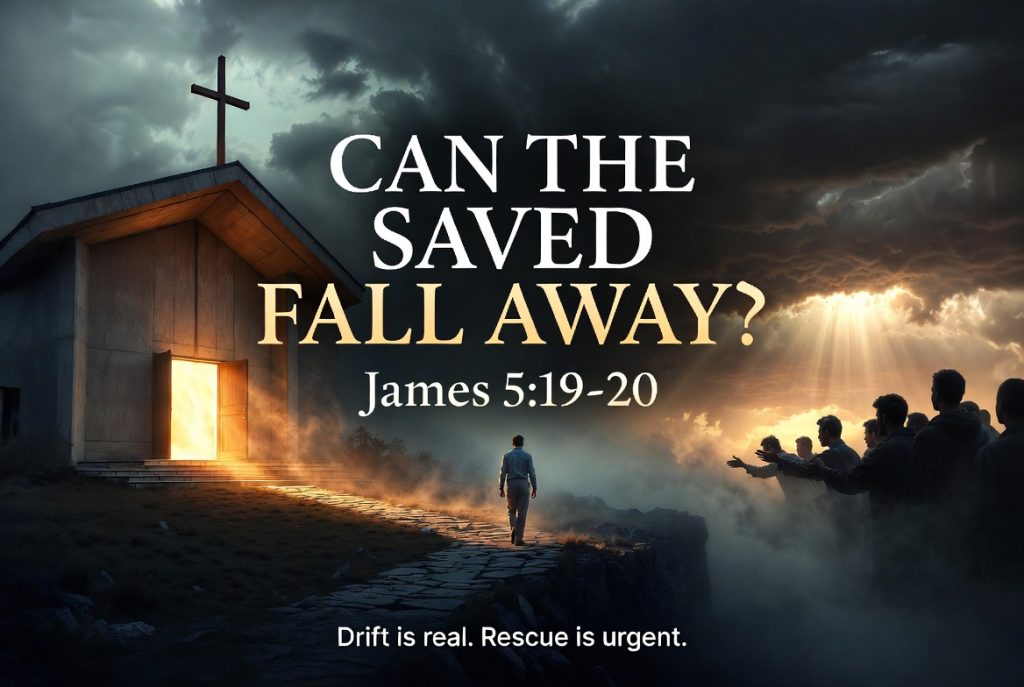
A church can lose a soul long before their name leaves the directory. James 5 warns that a Christian can stray from the truth and forfeit their soul, making it the church’s urgent duty to pursue, warn, and restore the wandering before drift becomes destruction.
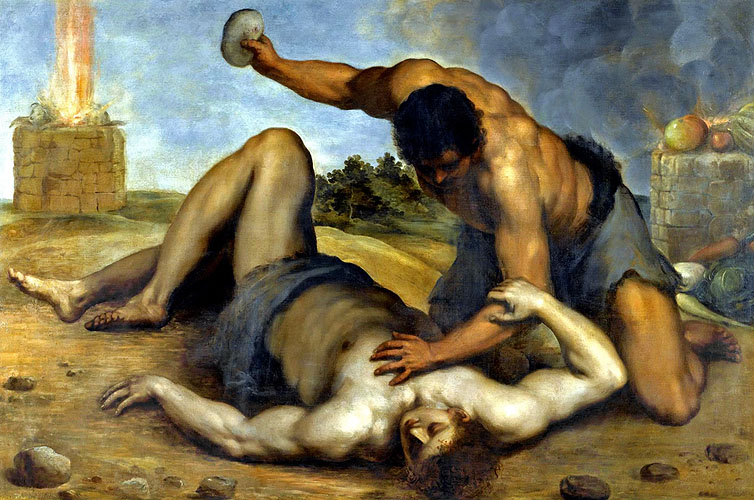
There is no such thing as harmless drift. Jude 11 drops heaven’s gavel on a three-stage road to ruin: self-authorized religion, profit-driven compromise, and open counter-speech against God’s authority. Discover why the path of Cain, Balaam, and Korah isn’t just ancient history—it is an active highway that guarantees destruction. Read the verdict before the destination is settled.

Two are better than one. God did not design life—or the Christian walk—to be lived in isolation. From labor to restoration, from warmth to protection, Scripture shows that fellowship strengthens faith and guards the soul. This sermon from Ecclesiastes 4:9–12 calls believers to reject lonely faith and embrace God’s design for shared strength in the body of Christ.
Faith is easy to praise and easy to talk about. It sounds noble. It sounds safe. But James refuses to treat faith like a badge you wear or a word you say. He treats it like a force that moves a life. Jesus did the same. He told us to count the cost, to carry the cross, and to give up what we cling to. So James presses the question we would rather avoid: not “Do you believe?” but “What has your belief made you do?” Abraham laid Isaac on the altar. Rahab walked away from her old world. Real faith always lays something down. And if your faith costs you nothing, James says plainly, it is worth nothing.

This lesson challenges every Christian to examine whether Christ is truly visible in daily life. Scripture teaches that believers are living letters, known by their love, their light, their loyalty, and their longing for heaven. When these marks are present, the world can see Jesus not just in our words, but in our lives.