
Resource
Two Words at a Funeral: Jesus Wept (John 11:35)
The shortest verse in the Bible reveals the deepest depths of our Savior’s humanity. Why does the Lord of Life weep at a tomb He is about to empty?
The shortest verse in the Bible reveals the deepest depths of our Savior’s humanity. Why does the Lord of Life weep at a tomb He is about to empty?

Jesus did not simply mourn passively at the tomb of Lazarus. He was deeply moved with a righteous, stern indignation against the enemy of death.
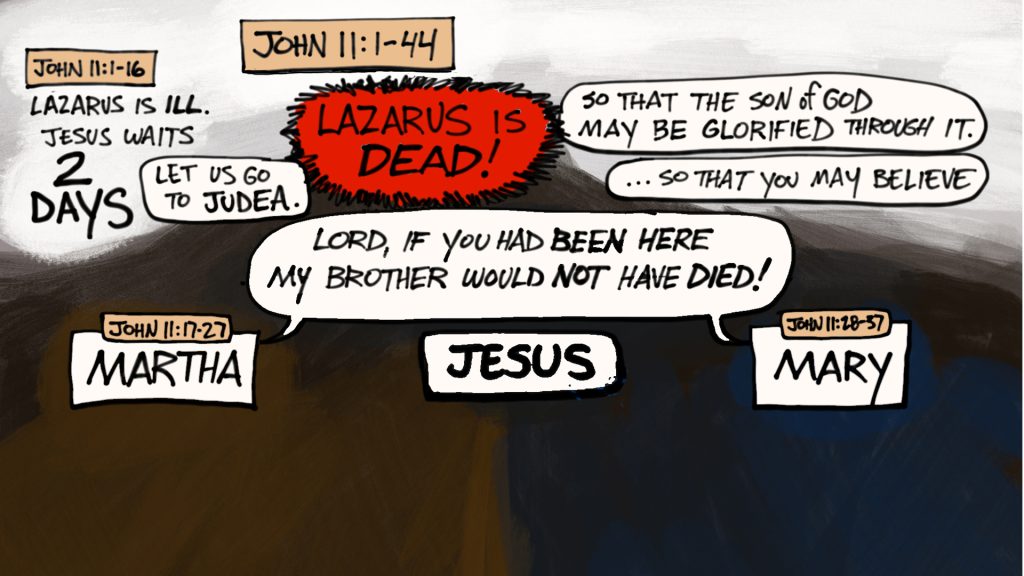
Jesus loved Mary, Martha, and Lazarus, yet He purposefully delayed His arrival when they needed Him most. Discover why God’s delays are never denials of His love.

James 2:18 forces faith into the open. This sermon exposes the emptiness of religious talk without obedience and presses one question: can your faith be seen? James contrasts an unprovable claim with a demonstrable faith and demands evidence that holds up in public. Real faith shows up in decisions, service, speech, and daily conduct. The church’s witness depends on more than words—faith must be shown by works.

This lesson challenges every Christian to examine whether Christ is truly visible in daily life. Scripture teaches that believers are living letters, known by their love, their light, their loyalty, and their longing for heaven. When these marks are present, the world can see Jesus not just in our words, but in our lives.

n John 13, Jesus shows what true love and humility look like by taking the place of a servant and washing His disciples’ feet. On the eve of the cross, He teaches that real discipleship is not about being served, but about serving others in His likeness. This lesson calls every believer to examine whether their life truly resembles Christ.
Entrance into God’s kingdom requires new birth from above—water and Spirit—received by believing that obeys, centered on the lifted Son and expressed in a life that says, “He must increase; I must decrease.”

A healthy church does not run on rumors, assumptions, and half-truths.
> It runs on clear truth, honest questions, humble listening, and shepherds who lead in the light.

John 8 also includes the account of the woman caught in adultery (John 7:53–8:11). Many Bibles mark this section with brackets or a note because some early Greek manuscripts do not contain it, and it appears in different places in some copies. The account fits the character of Jesus and the teaching of Scripture, but major doctrine should not rest on this paragraph alone. The remainder of John 8 is firmly established.