Clean and Unclean — Sin, Order, and Approach
Text: Leviticus 11–15 Series: Vayiqra — Called Near, Made Holy Theme: God demands that His people live with a constant, daily awareness of His holiness by distinguishing between the clean and the unclean, demonstrating that mortality and defilement cannot dwell in the presence of the Life-Giver. Christ Connection: Jesus Christ is the ultimate Purifier who, rather than being defiled by human uncleanness, transmits His divine life and purity to the broken, making them fit to draw near to God.
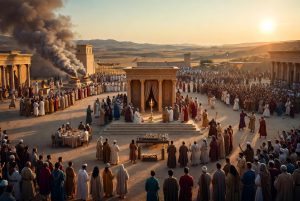
The holiness of God refuses to remain confined within the walls of a sanctuary. When the modern reader enters the middle chapters of Leviticus, they are immediately confronted by a God who ruthlessly invades the mundane details of everyday life. The transition from the high drama of the priesthood and the bloody altar in chapters 1 through 10 to the exhaustive regulations concerning animal diets, skin diseases, bodily fluids, and childbirth in chapters 11 through 15 can feel disorienting. Yet, this is the very point. God was teaching Israel that serving Him is not merely a Sabbath activity involving incense and sacrifices. To be the covenant people of Yahweh is to have your entire existence—your kitchen, your wardrobe, your physical health, and your intimate relationships—brought under the absolute jurisdiction of divine order. God established a rigid system of classification between the clean and the unclean, the holy and the common, to force Israel into a relentless, daily training program of spiritual discernment.
The foundation of this training begins at the dinner table. In Leviticus 11, God divides the animal kingdom into categories of clean and unclean. The Israelites were strictly forbidden from eating pigs, shellfish, birds of prey, and swarming insects, while permitted to eat ruminants with split hooves and fish with scales. Generations of commentators have attempted to explain these dietary laws entirely through the lens of ancient hygiene or primitive medical wisdom. While God certainly protects the physical health of His people, reducing Leviticus 11 to a divine health code misses the serious theological objective. The dietary laws were given to enforce separation. God had separated Israel from the pagan nations, and their daily diet was a physical, inescapable reminder of that holy distinction. Every time an Israelite sat down to eat, they had to make a conscious choice to submit to the authority of the Creator. Their dinner table was a boundary line, preventing easy socialization and intermarriage with the idolatrous Canaanites around them. The diet maintained the covenant order.
Moving from the diet to the human body, Leviticus 12 addresses the uncleanness associated with childbirth. To modern sensibilities, associating the birth of a child with impurity seems offensive, especially since God Himself commanded humanity to be fruitful and multiply. But the text forces a necessary distinction between moral sin and ritual defilement. A woman did not commit a moral crime by having a baby, but the process of childbirth—specifically the loss of blood and the generation of mortal life in a fallen world—rendered her ceremonially unclean. The tabernacle was the realm of absolute perfection and eternal life. Therefore, anything associated with the curse of Eden, the leaking of life-blood, or the reality of human mortality was restricted from approaching the holy presence without purification. The blood of the sin offering and the burnt offering required after her period of purification was a stark reminder that even the joyous creation of new life carries the inherent stain of a fallen world that requires divine atonement.
This theological reality is vividly amplified in the devastating laws concerning leprosy and skin diseases in Leviticus 13 and 14. Biblical leprosy was a broad category of serious skin afflictions that served as the ultimate physical metaphor for the spiritual corruption of sin. It was a disease that slowly consumed the flesh, turning a living man into a walking corpse. The priest was assigned the solemn duty of acting as the medical and spiritual inspector. If a man was diagnosed with the affliction, the verdict was catastrophic: he was pronounced unclean. He was required to tear his clothes, let his hair hang loose, cover his upper lip, and cry out, "Unclean, unclean!" wherever he went. Most terribly, he was exiled from the camp. He had to live alone, cut off from his family, his community, and the tabernacle of God. The leper visually represented what sin does to the soul: it corrupts, it spreads, it brings death, and it ultimately isolates the sinner from the presence of a holy God.
Leviticus 15 concludes this section by addressing bodily discharges, both natural and unnatural. Any loss of reproductive fluids rendered a person ceremonially unclean until evening and required bathing. Chronic discharges required animal sacrifices for purification. Again, the underlying theology is the preservation of life and order. Blood and reproductive fluids are the very substance of human life. When the body leaks these fluids, it is losing necessaryity; it is moving toward death. God is the author of life, and He dwells in unapproachable perfection. Therefore, the leakage of life—a stark reminder of human frailty and the curse of death—makes a person unfit to casually enter the realm of the eternal King. The camp had to be meticulously guarded against defilement because the God of life resided in its center. "Thus you shall keep the sons of Israel separated from their uncleanness, lest they die in their uncleanness by their defiling My tabernacle that is among them" (Leviticus 15:31).
The Christian is not bound by the Levitical dietary codes or the ceremonial purity laws, because these physical shadows have been fulfilled in the spiritual reality of Jesus Christ. Under the Old Covenant, uncleanness was highly contagious. If a clean person touched an unclean person, a leper, or a dead body, the clean person instantly became defiled. The clean could not cure the unclean by contact. But the Gospels present Jesus Christ as the absolute inversion of this Levitical reality. When the leper approaches Jesus in Mark 1, falling on his face and begging for cleansing, Jesus does the unthinkable for a Jewish rabbi: He reaches out and touches the man. But instead of the leprosy defiling Jesus, the perfect purity of Jesus annihilates the leprosy. The unclean man is made clean. Similarly, when the woman with the chronic issue of blood touches the fringe of His garment, His power stops the flow of death, and she is instantly restored. Christ does not bypass the law of purity; He is the source of purity.
Jesus clarified the true nature of defilement in Mark 7. He declared all foods clean, explaining that it is not what goes into a man from the outside that defiles him, but what comes out of his heart—evil thoughts, sexual immorality, theft, murder, and pride. The physical laws of Leviticus were training wheels, pointing to the much deeper reality of moral corruption. We do not need a priest to examine our skin; we need the Great High Priest to cleanse our hearts. The blood of bulls and birds could only purify the flesh temporarily, but the blood of Jesus Christ cleanses the conscience from dead works. Because He has purified us, we are no longer exiled outside the camp. We are brought near, made a holy priesthood, and commanded to live out that distinct, holy reality in the midst of a defiled world.
Questions for Reflection
- How do the dietary laws of Leviticus 11 demonstrate that God expects His people to be distinctly separate from the surrounding culture in their daily habits?
- What is the difference between committing a moral sin and becoming ceremonially "unclean" due to mortality or bodily functions?
- How does the exile of the leper outside the camp visually illustrate the devastating spiritual consequences of sin?
- In the Old Testament, uncleanness was contagious. How does Jesus radically reverse this reality in His earthly ministry?
- Read Mark 7:14-23. How does Jesus shift the focus from ceremonial, external defilement to the true, internal corruption of the human heart?
Prayer
Holy Creator, You are the God of life, perfection, and absolute purity. We confess that we carry the stain of mortality and the deep, internal defilement of our own sin. We thank You for the rigorous laws of Leviticus, which teach us that nothing corrupt can stand in Your presence. We praise You for Jesus Christ, the ultimate Purifier, who reached into our uncleanness and touched us with His grace. Wash our hearts from all evil desires, and grant us the strength to live as a distinct and holy people in every mundane detail of our lives. In the name of Jesus, Amen.
Takeaway
God demands total jurisdiction over every detail of our lives, teaching us that while the curse of sin brings defilement and isolation, Jesus Christ is the Purifier who touches the unclean and makes them whole.
---
Preach It
Clean and Unclean — Sin, Order, and Approach
Text: Leviticus 11–15 New Testament Tie-In: Mark 1:40–42; Mark 7:14–23; Hebrews 9:13–14
Thesis
God established the laws of clean and unclean to enforce a constant awareness of His holiness and the tragedy of human mortality, realities that ultimately point to our desperate need for Jesus Christ, the only one who can purify the human heart.
Simple Sermon Outline
1. The Demand for Distinction
When you read Leviticus 11, you realize God cares about what you eat. He gave Israel a strict dietary code, not primarily for physical health, but to build a wall of separation between His covenant people and the pagan nations. Every meal was a test of loyalty. God was forcing Israel to practice spiritual discernment in the most mundane areas of life. The principle remains powerfully true for the church today. God demands total jurisdiction over your life. Your entertainment, your habits, your speech, and your business practices must be distinctly different from the world around you. You cannot be called near to God and continue to feast on the corruption of the culture.
2. The Reality of the Curse
Leviticus 12 and 15 deal with childbirth and bodily fluids. To the modern mind, it seems strange that natural biological functions would render a person "unclean." But God is teaching a serious theological lesson about life and death. The tabernacle is the realm of eternal life. Any loss of blood, any physical decay, and any reality tied to the pain of human generation points back to the curse of Eden. We are a fallen race, plagued by mortality. The laws of uncleanness reminded Israel that they were fundamentally broken. You cannot just stroll into the presence of the Life-Giver while carrying the stench of death. You need purification.
3. The Tragedy of Isolation
There is no more devastating picture of sin in the Old Testament than the leper in Leviticus 13. When the priest pronounced a man unclean with leprosy, that man lost everything. He had to tear his clothes, cover his face, and cry "Unclean!" wherever he walked. He was forced to live outside the camp, completely cut off from the worship of God and the fellowship of his family. This is exactly what sin does. It is not just the breaking of a rule; it is a rotting disease of the soul. It corrupts your life, it destroys your relationships, and ultimately, it isolates you from the presence of God forever.
4. The Power of the Purifier
The Old Covenant law could diagnose the uncleanness, but it could not cure it. If a clean person touched a leper, the clean person became defiled. But then Jesus Christ steps into history. In Mark 1, a leper falls at His feet. Jesus does the unthinkable—He touches the unclean man. But Christ is not defiled. His divine purity flows into the leper, and the disease is instantly eradicated. Jesus is the true Purifier. He declares that real defilement comes from the inside, from the evil of the human heart. And He is the only one who can shed the blood necessary to cleanse your conscience and bring you back into the camp.
Conclusion and Invitation
The law of God diagnoses your exact condition: you are unclean. You are isolated by your own rebellion, and you cannot purify yourself. But the Great High Priest has come to cleanse you. The blood of Jesus Christ is ready to wash away every stain of your sin. But you must submit to His authority. Hear the gospel. Believe in Christ. Repent of sin. Confess Him as Lord. Be baptized for the forgiveness of sins, rising from the water completely clean. Do not remain outside the camp today; come to the Purifier and be made whole.