Holy Time, Holy Worship, and Covenant Faithfulness
Text: Leviticus 23–24 Series: Vayiqra — Called Near, Made Holy Theme: God claims absolute ownership over time, structuring the calendar and the sanctuary to force Israel into a constant rhythm of remembrance, reverence, and covenant faithfulness. Christ Connection: The appointed feasts of Israel were holy times under the Law of Moses that pointed forward to Christ, who is the substance to which those shadows belonged.
God does not merely claim jurisdiction over the physical boundaries of the camp or the moral boundaries of the bedroom; He claims absolute ownership over time itself. In Leviticus 23 and 24, the divine Architect lays out the blueprint for the Jewish calendar and the continuous maintenance of the sanctuary. Human beings naturally view time as a personal commodity to be spent on self-preservation, wealth accumulation, and leisure. God violently interrupts this mindset. He structures the year around a mandatory sequence of feasts and fasts, proving that time is a sacred trust. Israel was not permitted to drift aimlessly through the seasons. They were commanded to rhythmically halt their commerce, leave their fields, and gather as a covenant community to rehearse the mighty acts of Yahweh. The calendar was not a mere suggestion for national holidays; it was a rigorous theological curriculum designed to prevent the catastrophic amnesia that always threatens the people of God.
The foundation of this sacred time was the weekly Sabbath. Every seventh day, the entire nation was commanded to completely cease from labor. This was not a pragmatic break for physical recuperation; it was a serious act of theological submission. To stop working in an agrarian society, where survival depended directly on human labor and unpredictable weather, required an immense exercise of faith. The Sabbath was an active declaration that God is the provider, and that human productivity is not the supreme reality of the universe. By commanding Israel to rest, God exposed the idolatry of self-sufficiency. Israel was forced to acknowledge every seven days that they were not slaves producing bricks in Egypt, but free men resting in the provision of the Almighty.
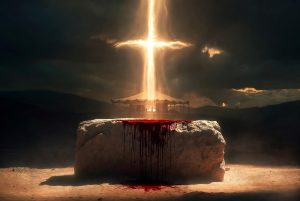
From this weekly foundation, Leviticus 23 expands into the seven annual appointed feasts. The spring feasts began with the Passover and the Feast of Unleavened Bread. This was the terrifying and glorious memorial of their redemption. They remembered the night the death angel passed over the blood-stained doors in Egypt, and they ate bread without leaven to signify their hasty, uncorrupted departure from the land of bondage. Immediately following this was the Feast of Firstfruits, where the priest waved the very first sheaf of the barley harvest before the Lord. It was an acknowledgment that the land and the harvest belonged to God, offering the first and the best before the rest of the crop could be consumed. Fifty days later came the Feast of Weeks, or Pentecost, celebrating the completion of the grain harvest with an offering of new grain. These spring feasts inextricably linked God’s physical provision with His historical salvation.
The fall feasts shifted the focus from the harvest to atonement and pilgrimage. The Feast of Trumpets awakened the nation with the blast of the ram’s horn, serving as a solemn call to preparation. This led directly into the Day of Atonement (Yom Kippur), the most severe and holy day of the year, where the nation afflicted their souls and the high priest carried the blood behind the veil to cleanse the camp of its defilement. Finally, the year culminated in the Feast of Booths (Tabernacles). For seven days, the Israelites moved out of their permanent homes and lived in temporary shelters made of branches. This was a massive, visual reenactment of their wilderness wanderings. It forced the wealthy landowner to live in a tent just like the poorest laborer, reminding the entire nation that they were merely pilgrims sustained by the grace of God in a barren land. The calendar forced them to constantly look backward at what God had done, so they would remain faithful in the present.
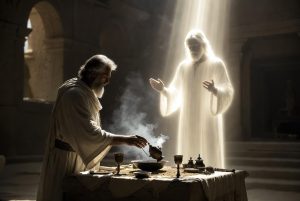
Leviticus 24 shifts the focus from the calendar of the nation to the daily rhythm of the sanctuary. God commands the people to bring pure, beaten olive oil so that the golden lampstand can burn continually outside the veil. twelve loaves of bread, representing the twelve tribes, are to be placed on the golden table every Sabbath as a perpetual covenant memorial. The light must not go out. The bread must not be absent. Worship is not a sporadic event triggered by human emotion; it is a constant, ordered, and exact requirement. God demands permanent representation and perpetual illumination in His sanctuary.
This demand for absolute reverence is punctuated by a terrifying historical narrative at the end of chapter 24. A young man of mixed Egyptian and Israelite descent gets into a fight in the camp and blasphemes the Name of the Lord with a curse. Moses places him in custody until the mind of God is revealed. The divine verdict is uncompromising: the young man must be taken outside the camp, and the entire congregation must stone him to death. God establishes a permanent law that whoever blasphemes the Name—whether native or alien—shall surely be put to death. You cannot participate in the feasts, eat the harvest, and dwell in the camp of the King while holding His name in contempt. Irreverence is a lethal infection. God demands that His name be treated with the utmost sanctity, and He forces the community to take active responsibility in purging the blasphemer from their midst.
For the Christian, the exact observance of these Jewish feasts is no longer commanded. The Apostle Paul makes it explicitly clear in Colossians 2 that the festivals, the new moons, and the Sabbaths were mere shadows of things to come, but the substance belongs to Christ. We are not under the jurisdiction of the Levitical calendar because Jesus Christ has perfectly fulfilled it. He is our Passover Lamb, sacrificed to save us from the wrath of God. He is the Firstfruits from the dead, guaranteeing the future resurrection of all who belong to Him. The church itself was established on the Day of Pentecost, when the Holy Spirit was poured out and the first great harvest of souls was gathered into the kingdom. Christ is the ultimate Atonement, the one who carried His own blood behind the heavenly veil.
Christians are not under the Levitical calendar. We do not keep Israel’s Sabbaths, new moons, feast days, or booths as covenant law. But the fulfilled truth still presses us: time belongs to God, worship is not optional, and redeemed people must order their lives around His revealed will. God still demands that we structure our lives around the reality of redemption. The church gathers on the first day of the week according to the apostolic pattern, not because the Sabbath has been transferred to Sunday, but because Christ is risen, the New Covenant has come, and Christians are commanded not to forsake the assembly. We partake of the Lord’s Supper, a weekly memorial far superior to the bread of the Presence, looking backward to the broken body and shed blood of Christ, and looking forward to His return. Time still belongs to God. We are called to live as a people who revere His name, constantly rehearsing the gospel, and holding fast to the covenant faithfulness required of those who have been bought with a price.
Questions for Reflection
- How did Israel’s Sabbath expose self-sufficiency, and how should Christians avoid turning work, productivity, or personal schedules into idols?
- What was the purpose of the Feast of Booths (Tabernacles), and why was it important for Israel to temporarily leave their permanent homes?
- How did the continuous burning of the lampstand and the weekly replacement of the Bread of the Presence illustrate God's view of worship?
- What does the severe punishment of the blasphemer in Leviticus 24 teach us about the gravity of taking God's name in vain or treating Him with contempt?
- Read Colossians 2:16-17 and 1 Corinthians 5:7. How do the New Testament writers view the feasts of Leviticus in relation to Jesus Christ?
Prayer
Eternal God, You are the Lord of all time and seasons. We confess that we often treat our days as our own property, forgetting that every breath is a gift from Your hand. Thank You for the wisdom of the biblical calendar, which constantly calls Your people back to the reality of Your saving power. We praise You for Jesus Christ, the true substance of every shadow and the fulfillment of every feast. Give us the discipline to prioritize our worship, the reverence to honor Your holy name, and the faith to remember the cross as we wait for His glorious return. In the name of Jesus, Amen.
Takeaway
Because God owns time, true faithfulness requires us to intentionally structure our lives around the remembrance of Christ's redemptive work and the reverent worship of His holy name.
---
Preach It
Holy Time, Holy Worship, and Covenant Faithfulness
Text: Leviticus 23–24 New Testament Tie-In: 1 Corinthians 5:7–8; 1 Corinthians 15:20–23; Colossians 2:16–17
Thesis
God dictates the calendar and the sanctuary to prove that He owns our time and demands our constant reverence, pointing forward to Jesus Christ who perfectly fulfills the prophetic schedule of redemption.
Simple Sermon Outline
1. The Surrender of Time
We act as if we own our calendars. We carve out a few hours on Sunday for God and keep the rest of the week for our own ambitions. Leviticus 23 exposes this illusion. God claimed the calendar of Israel. He established the Sabbath and the seven annual feasts to force the nation to stop producing and start remembering. To observe the feasts meant risking your harvest, leaving your business, and trusting God to provide. Time is a sacred trust. God demands that we structure our entire existence around His authority. When we refuse to rest, and when we prioritize our own productivity over His worship, we are committing an act of theological rebellion.
2. The Rhythm of Remembrance
Human beings suffer from spiritual amnesia. We forget the grace of God the moment we face a new crisis. God instituted the feasts so Israel could not forget. Passover reminded them of the blood that saved them. Unleavened bread reminded them to leave Egypt behind. Booths forced them to sleep outside to remember the wilderness. God requires His people to physically and collectively rehearse their salvation. We do not keep the Jewish feasts as covenant law, but the church is still commanded to assemble, remember Christ, and worship according to the apostolic pattern. We partake of the Lord’s Supper because we desperately need the constant rhythm of remembering the body and blood of the Savior.
3. The Danger of Irreverence
In the middle of these chapters on holy worship, a young man curses the Name of the Lord. He treats the God of Israel with contempt. The judgment is swift and severe: he is stoned to death outside the camp by the entire congregation. This is a chilling warning to anyone who thinks they can play games with the Creator. You cannot celebrate the feasts, enjoy the blessings of the camp, and hold the name of God in vain. God will not tolerate a casual, disrespectful approach to His holiness. True worship requires absolute reverence. If we lose our fear of God, we have lost our religion.
4. The Substance of the Shadow
The feasts of Israel were beautiful, but they were only shadows. You cannot find salvation in the Jewish calendar. Paul tells the Colossians that the substance belongs to Christ. Jesus is the true Passover Lamb. He was sacrificed so the wrath of God would pass over us. He is the Firstfruits, bursting from the tomb to guarantee that we too will rise from the dead. The Holy Spirit was poured out on Pentecost to establish the church. Jesus kept the prophetic clock perfectly. We are not looking backward to an earthly exodus; we are looking to the finished work of Christ and waiting for His final return.
Conclusion and Invitation
You are living on borrowed time. Every day is given to you by the grace of God, and He commands you to submit to His authority. The true Passover Lamb has been slain, and His blood is the only thing that can save you from the judgment to come. You cannot afford to treat His sacrifice with irreverence. Hear the gospel of your salvation. Believe that Jesus Christ is the Son of the living God. Repent of your sins and your self-reliance. Confess His name before men. Be baptized for the remission of your sins, so that you may be added to His covenant people. Surrender your life to Him today.