Faith and Works Together – Faith Without Works is Dead
This warning from the Lord establishes the terrifying possibility that one can acknowledge Jesus verbally and intellectually yet be rejected at the judgment for a lack of obedient action.
What if you are lost? Scripture warns that sincere belief or morality alone does not save—only obedient faith in Christ, including repentance, confession, and baptism for forgiveness of sins, brings reconciliation to God. Examine yourself honestly today.
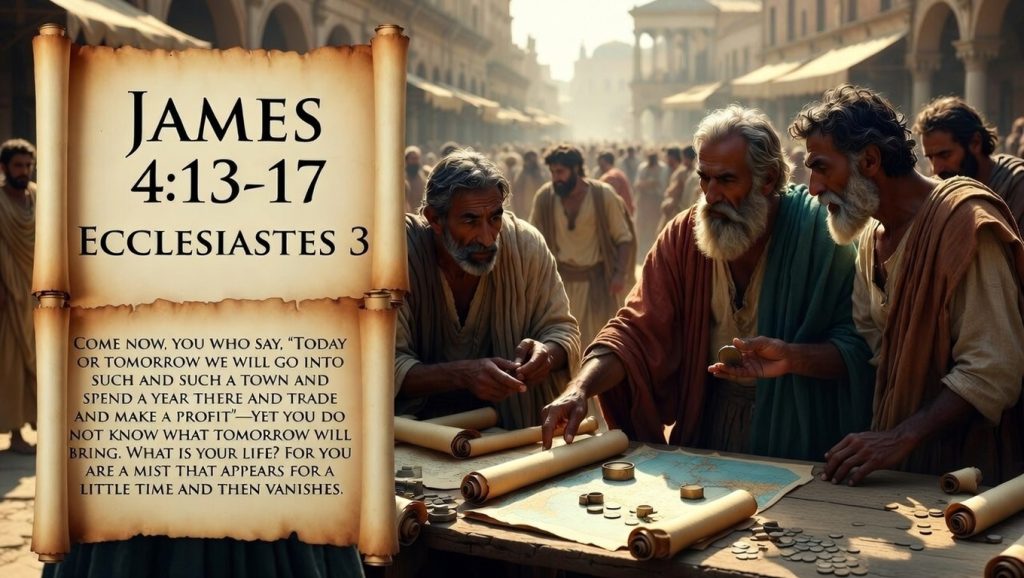
Content: Planning without God is arrogant boasting, and James calls it evil. Ecclesiastes reminds us that God appoints the times, and James warns that life is a vapor. The faithful alternative is humble submission: “If the Lord wills, we will live and also do this or that.” This lesson calls us to repent of self-rule and bring every plan under the Lord’s authority.
Heaven is real: a prepared place with God forever (John 14:2), where every tear is wiped away and suffering ends (Revelation 21:4), and righteousness reigns perfectly (2 Peter 3:13). Obey Christ to enter this promised glory.
Because no one knows the day or hour of Christ’s return, every disciple must live in constant readiness through watchfulness, faithful obedience, personal preparedness, and holy conduct. Jesus did not ask us to calculate the day; He commanded us to be ready for it.
Sin did not begin in the field—it began at the altar. Cain’s fall was a progression: unbelief in worship, pride under correction, and hatred of righteousness. God warned him that sin was crouching at the door, ready to rule him, but Cain refused to master it. The result was not just a broken relationship with his brother, but bloodshed and separation from the presence of the Lord. This sermon exposes the “way of Cain” and calls every listener to examine worship, respond rightly to Scripture’s correction, and submit to God before sin grows into death.

God’s holiness demands justice just as much as His nature defines love; to deny His judgment is to deny His very nature. The “Yeah, but… God is love” objection fails because it tries to pit God’s love against God’s justice.
James teaches suffering Christians to endure by looking at the prophets, learning from Job, and trusting the Lord whose compassion is not cancelled by the furnace. Obedience may hurt, suffering may come without explanation, but God has not surrendered the story.
When the Israelites faced Pharaoh’s army at the Red Sea, fear and complaint overtook them—they preferred slavery to the unknown. Moses called them to silence fear, stand still, and see God’s salvation, then go forward by faith. This sermon confronts our own Red Sea crises, urging believers to reject grumbling, trust God’s power, and step forward, knowing the same God who parted the sea fights for us today.
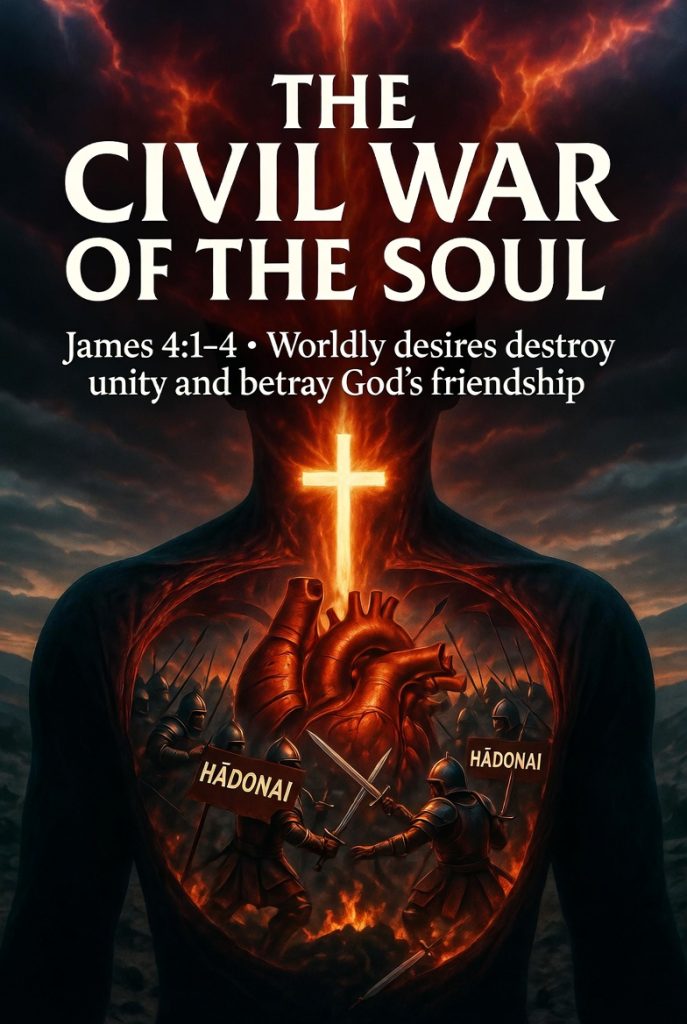
The conflicts we see in homes and churches are only the smoke. James reveals that the real war rages within the human heart. Selfish desires, when left unmortified, produce quarrels, corrupt prayer, and spiritual compromise. James 4:1–4 exposes the internal battle between flesh and Spirit and calls believers to reject friendship with the world and return to wholehearted loyalty to Christ.
Via Maris Software: Bible maps and study tools by EVVFaith · Estudios bíblicos en español: edrangel.com